
Why Is Engagement So Important in Dog Training?
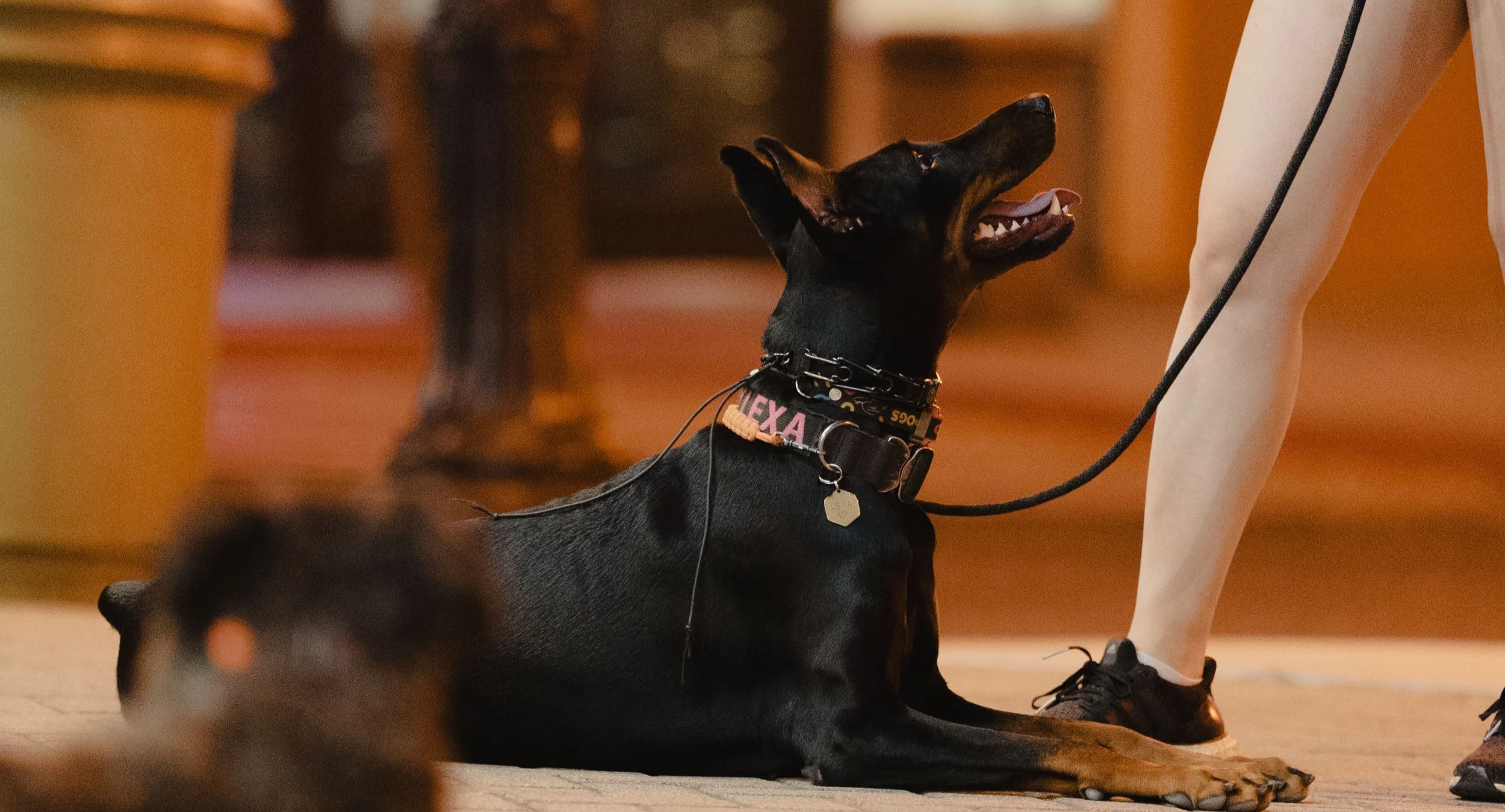
“The most important relationship your dog should have is the one with you.”
When people hear the word “engagement” in dog training, they often think it just means getting a dog’s attention for a few seconds.
But true engagement goes much deeper than that.
At Primal Canine, our definition of engagement is simple:
Your dog wants to engage with you during training, play, walks, public outings, and everyday life.
Not because they’re scared.
Not because they lack confidence.
Not because they’re socially awkward.
But because they genuinely enjoy working with you and have built a strong relationship with you.
That’s real engagement.
What Does Engagement Actually Look Like?
A dog with proper engagement doesn’t constantly search for something more exciting in the environment.
Instead:
They naturally check in with you
They pay attention to what you’re asking
They enjoy training and interaction
They stay mentally connected even around distractions
When you build strong engagement, training becomes significantly easier.
Your dog starts choosing you over:
Random people
Other dogs
Environmental distractions
Noises
Smells
Movement around them
In public settings, engaged dogs tend to stay mentally connected instead of zoning out and becoming overstimulated by everything around them.
Off leash, they come when called instead of ignoring you because something else grabbed their attention.
During training, distractions actually become a cue for them to focus more on you instead of less.
That’s the power of engagement.
Engagement Is Relationship Building
The truth is there are a ton of pros and virtually zero cons to building engagement with your dog because engagement is really just relationship building.
You are becoming important to your dog.
You become:
The source of fun
The source of guidance
The source of clarity
The source of play
The source of rewards
And when that relationship becomes strong, communication becomes easier.
How Do You Build Engagement?
The answer is actually pretty simple:
Everything valuable should come from you.
Play With Your Dog
Playtime should involve you, not just the dog entertaining itself.
Use interactive toys and activities like:
Tug
Flirt poles
Fetch
Structured play sessions
These games build interaction and communication between you and your dog.
When playtime is over, put the toys away.
This keeps the value connected to you instead of the dog having unlimited access to the reward all day long.
Use Food to Build Relationship
Food is another major opportunity to build engagement.
Have your dog see you preparing meals.
Better yet, hand feed during training sessions whenever possible.
This builds:
Focus
Communication
Motivation
Relationship
If you’re short on time, you can always finish by scattering the remaining food in the crate or kennel after training.
Structure Creates Better Engagement
In the building stages, your dog’s free time should still have purpose.
That doesn’t mean your dog can never relax.
It simply means that when they’re out, they should usually be:
Training
Working on place
Walking with you
Playing with you
Learning
Engaging with you somehow
Structure helps create clarity and consistency.
The Biggest Mistakes That Hurt Engagement
One of the biggest mistakes people make is relying too heavily on outside sources to tire their dogs out.
Things like:
Dog parks
Constant play dates
Endless uncontrolled interaction with other dogs
These activities can quickly make you less valuable in comparison.
The same goes for toys.
Giving your dog a giant pile of toys to entertain themselves with all day might keep them busy, but it does very little for building engagement with you.
There’s nothing wrong with independent play from time to time.
But if all the value comes from the environment instead of the handler, you immediately place yourself second in your dog’s priorities.
The Bottom Line
The most important relationship your dog should have is the one with you.
So make time to:
Train together
Play together
Walk together
Explore together
Have fun together
Because engagement isn’t just about obedience.
It’s about building a dog that genuinely enjoys being connected to you.
And when you build that relationship correctly, everything else in training starts to become easier.
If you want help building better engagement, focus, and communication with your dog, we can help.