
Why Over Socialization Creates Reactive Dogs
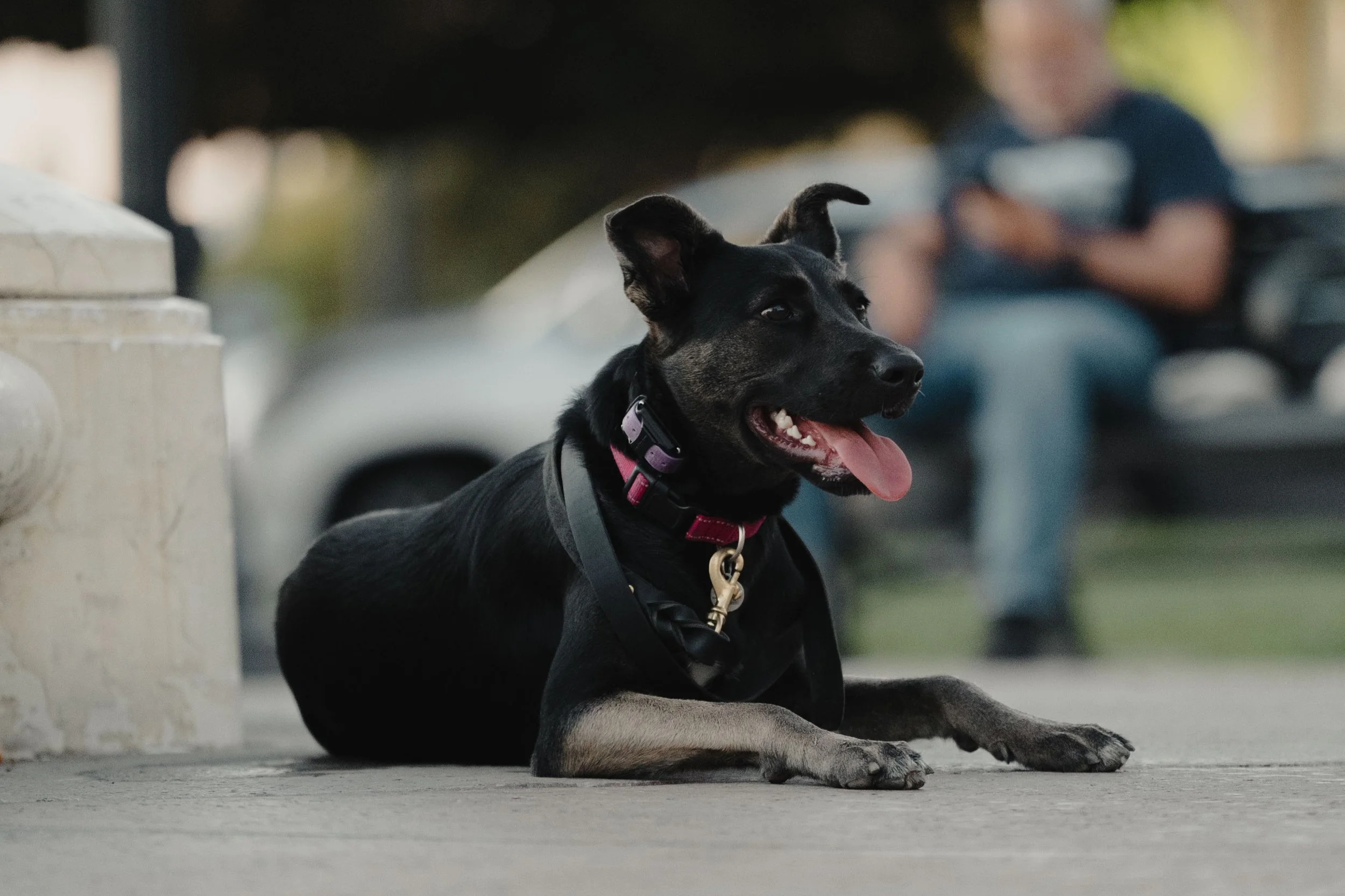
Most people have the wrong idea about proper dog socialization, and honestly, that’s not their fault.
By today’s typical standards, puppies are often kept away from outdoor environments from 8 to 16 weeks old due to veterinary advice about avoiding viruses and illness. That advice is understandable and important to consider, but what many people miss is that this same timeframe is also one of the most critical developmental periods in a dog’s life.
During that 8 to 16 week window, your puppy should be safely exposed to the world around them.
And when I say “exposed,” I don’t mean thrown into chaotic situations or forced to interact with every person and dog they see.
I mean they should be:
Seeing different environments
Hearing different sounds
Walking on different surfaces
Experiencing the world safely and calmly
This can include:
Cars
Trucks
Trains
Sirens
Shopping centers
Outdoor seating areas
Concrete
Grass
Slick floors
Carpet
Water
Car rides (crated safely)
All of this environmental exposure helps create a stable, confident dog that understands the world without becoming overwhelmed by it.
But here’s where many owners unintentionally create problems.
Once their puppy hits 16 weeks old, they immediately begin:
Dog parks
Puppy socials
Allowing every stranger to pet the dog
Letting the dog greet every dog they see
The problem is this teaches the dog that every person and every dog is meant for interaction.
That creates expectation.
And expectation is where reactivity often begins.
The dog starts pulling on leash because they expect to meet every dog they see.
They become frustrated when they cannot greet another dog.
That frustration can turn into leash reactivity, barking, whining, lunging, or hyper fixation.
In other situations, a bad interaction can teach the dog that other dogs are dangerous, which can create defensive or fear based reactions.
Both extremes often come from the same root issue:
Improper socialization.
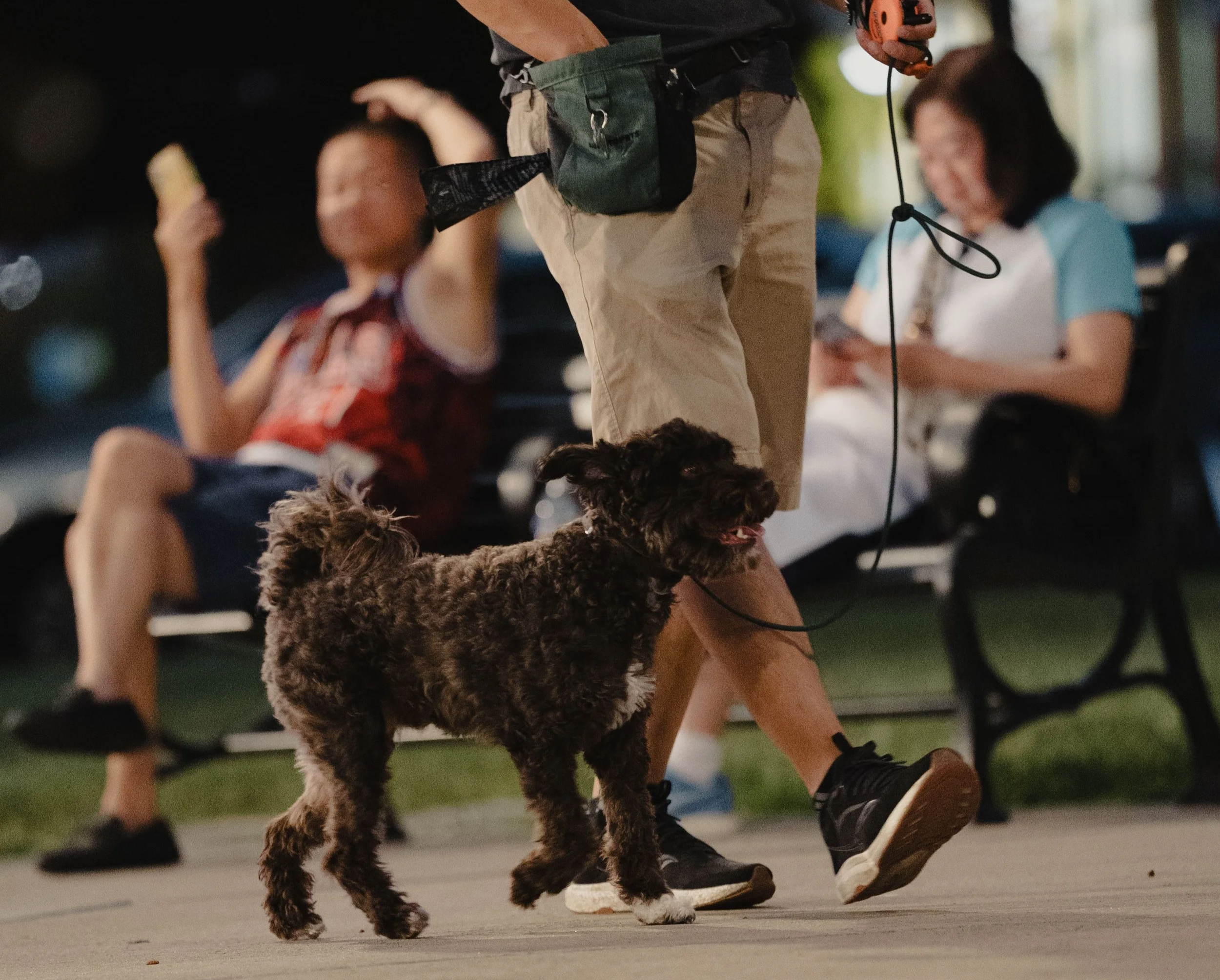
Socialization Does NOT Mean Constant Interaction
One of the biggest misconceptions in dog training is that socialization means your dog needs to meet everyone.
It doesn’t.
Proper socialization is teaching your dog how to exist calmly in the world without needing to interact with everything in it.
That’s why there’s a huge difference between:
Seeing people
Meeting people
Your dog should learn neutrality.
They should be able to see another dog, person, skateboard, or loud environment and remain calm, engaged, and focused with their handler instead of becoming overstimulated.
This is how you prevent:
Leash pulling
Jumping on people
Over excitement
Frustration based reactivity
Fear based reactions
Lack of focus in public
What Proper Social Skills Actually Look Like
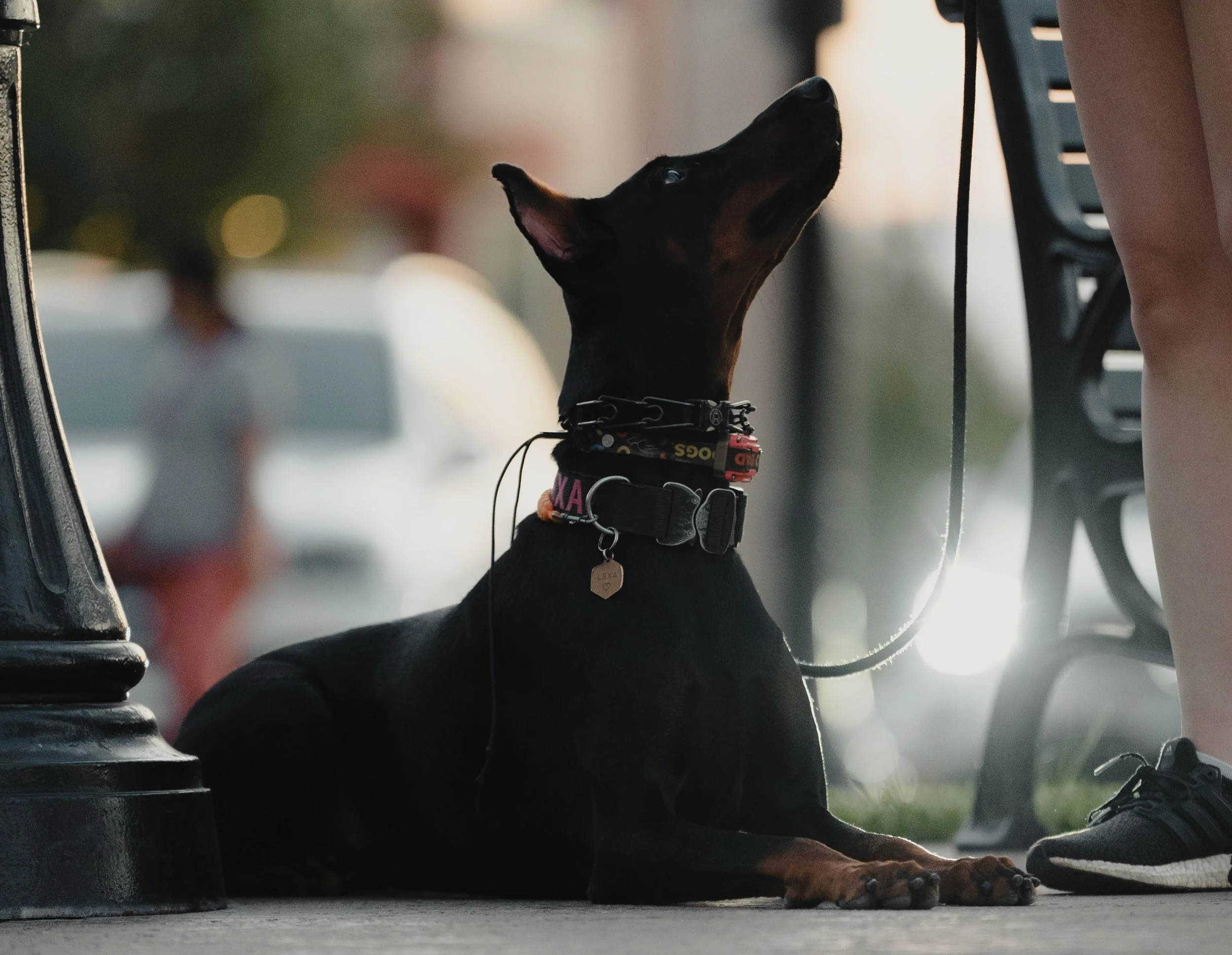
To give you an idea of what proper socialization looks like, our group classes at Primal Canine often have 20+ dogs training together in busy public environments.
The dogs are around:
People
Other dogs
Noise
Movement
Public distractions
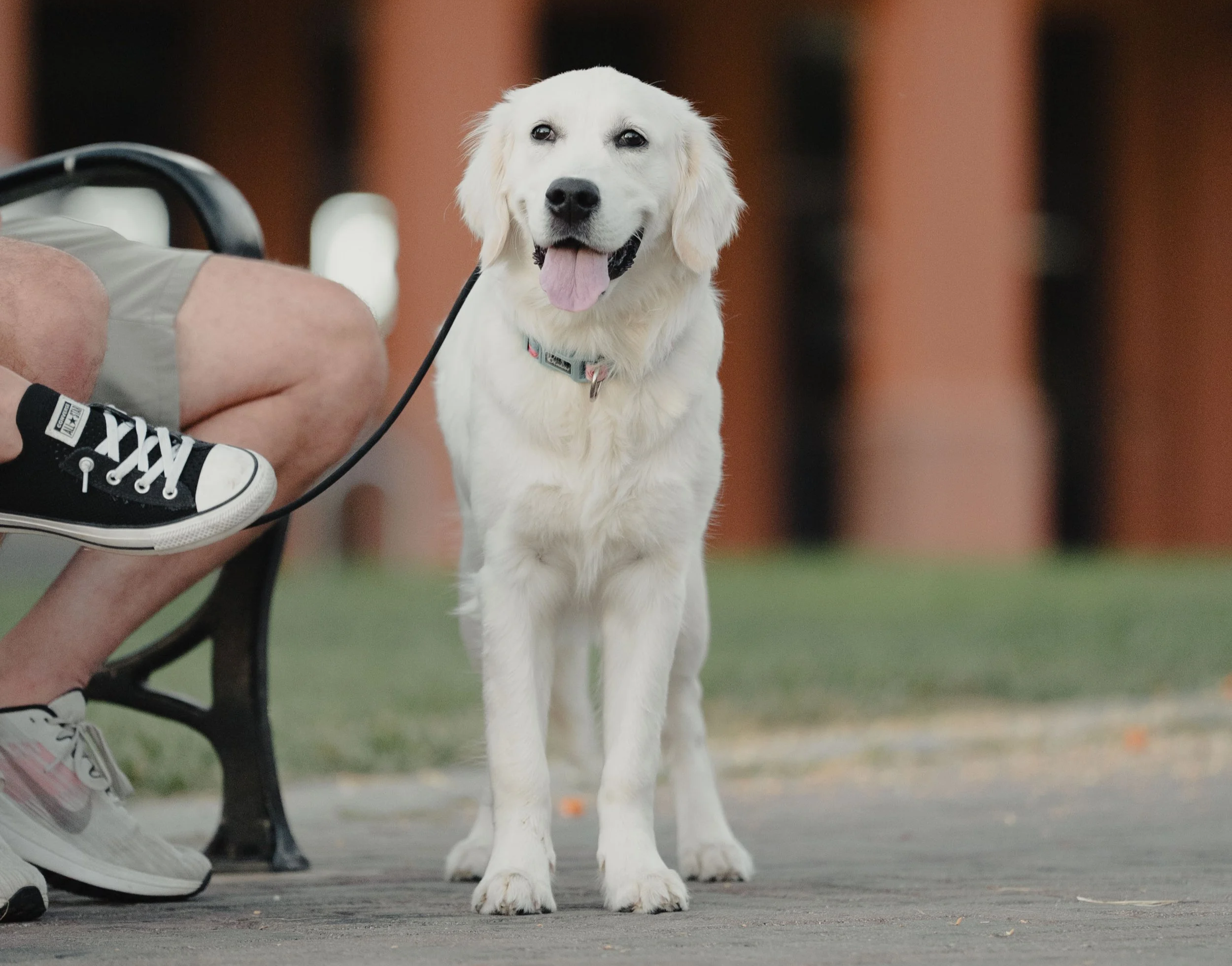
Yet every dog is focused on their handler and minding their own business.
Why?
Because they’ve been taught neutrality.
The dogs understand that the environment exists, but they do not feel the need to engage with everything around them.
It’s similar to how people behave when going out with friends. We focus on our group while the rest of the environment simply becomes background noise.
That’s the mindset we want our dogs to develop.
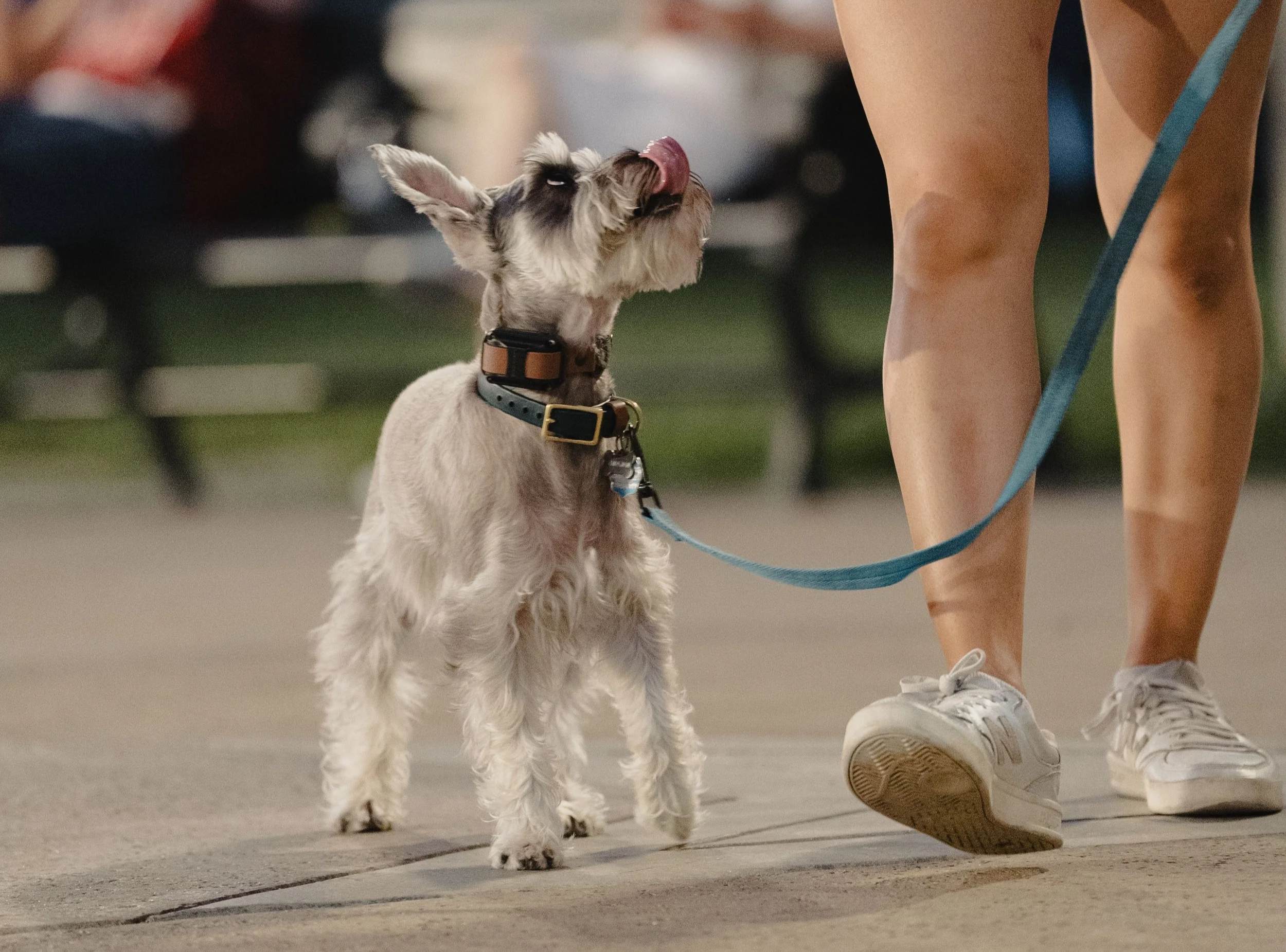
Build Engagement Alongside Exposure
Environmental exposure should always be paired with engagement and structure.
That means:
Structured play
Training sessions
Reward based engagement
Building focus around distractions
Teaching the dog how to relax and exist calmly
The goal is not just exposure.
The goal is teaching the dog how to process the environment while staying mentally connected to the handler.
Final Thoughts
Improper socialization and lack of environmental exposure can create a long list of behavioral problems that are often preventable.
The good news is that with the right structure, exposure, and guidance, most of these issues can be avoided entirely.
So instead of trying to make your dog friends with every person and dog they see, focus on teaching:
Neutrality
Confidence
Engagement
Calmness
Proper social skills
Walk your dog everywhere you safely can.
Train everywhere.
Expose them to the world.
Just don’t teach them that the world revolves around interacting with everything in it.